

Direct-to-Film printing is evolving fast—and shops that adapt first win. In this article, we unpack the cutting-edge strategies pushing DTF forward: powderless adhesives, hybrid print setups, automation, and AI-driven workflows that boost speed and consistency. We’ll also explore sustainable chemistries and special visual effects that let you sell beyond T-shirts—into workwear, décor, and short-run manufacturing. Whether you’re new to DTF or scaling a busy shop, you’ll get clear takeaways, tool ideas, and pitfalls to avoid so you can modernize your process, control costs, and create prints that truly stand out.
Sustainability isn’t a trend in DTF—it’s the new spec. Build smarter, waste less, print more. Innovation lives in the handoff: from ink to film to fabric, turn process into advantage.
Modern DTF gains come from tightening the whole pipeline, not just buying a faster printer. Shops moving to powderless adhesive systems cut a messy step, stabilize hand-feel, and improve wash consistency, while hybrid workflows pair DTF with DTG or screen underbases to hit tricky fabrics and micro-runs without changing presses. Add automation—inline curing, auto-nesting, roll take-up, even a simple pick-and-place arm—and you trim touchpoints that cause bottlenecks. On the software side, AI-assisted RIP settings can balance white-ink laydown, auto-gang assets, predict ink usage, and schedule queues so your oven is never idle. Sustainability follows: low-temp films reduce energy draw; controlled coatings mean less over-powder and scrap. These upgrades also unlock new applications—high-visibility workwear, nylon bags, caps, wood signage, and short-run décor—plus special finishes (metallic, glitter, puff, reflective) by layering specialty films after the transfer. One two-person shop, for example, replaced manual powdering with an enclosed unit and redeployed a full shift to QC and packing—same gear, smarter flow. This is where the substance happens: fewer steps, cleaner results, more products you can credibly sell.

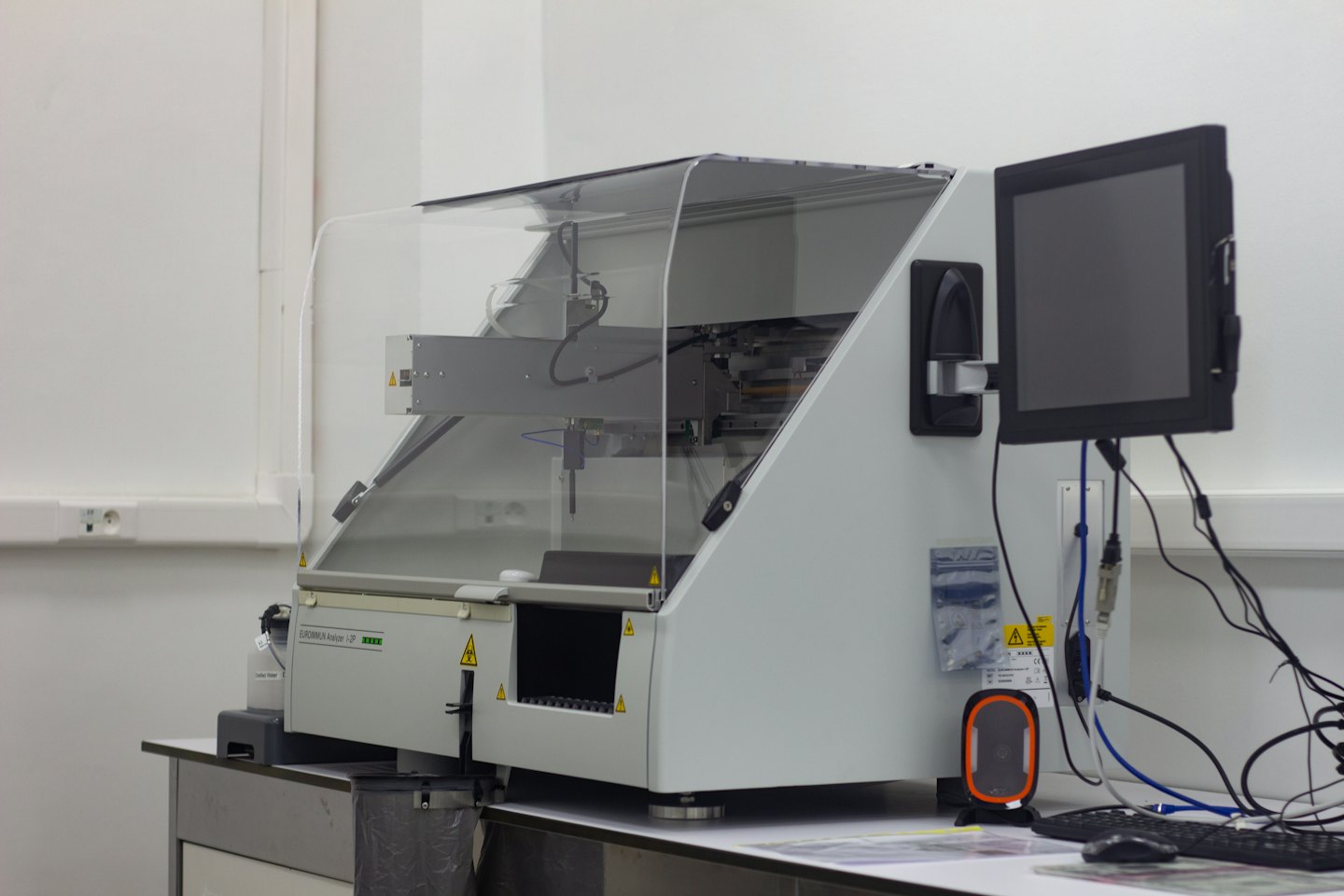
Before doubling down on every “cutting-edge” idea, pause to stress-test the fit for your shop. Powderless systems reduce mess, but they may demand tighter humidity control; AI queueing speeds output, yet bad presets can waste white ink fast. Hybrid DTF/DTG shines on odd fabrics and short runs, though classic screen still wins on huge volumes and ultra-low cost per print. If you’re asking, “Will this really pay off?” run a mini-pilot: measure cycle time, scrap rate, energy draw, and true cost-per-print across a week of real orders, plus wash/abrasion tests on your top substrates. Validate vendor sustainability claims (MSDS, temperature profiles, recyclability) and plan training so operators don’t become the bottleneck. With a data baseline—and clear guardrails for when to use DTF, DTG, or screen—you can scale what works and skip what doesn’t. Next, we’ll turn those insights into a practical upgrade roadmap.
Wrapping Up with Key Insights
In short, winning with DTF isn’t about one magic machine—it’s about stacking smart moves: powderless adhesives to clean up the workflow, hybrid methods to expand what you can print, automation to remove touchpoints, and AI to tune consistency and speed. Measure everything—cycle time, scrap, energy, wash results—so upgrades prove themselves, not just promise. Start small: pilot one change, write the SOP, train the team, and only then scale. As you do, new markets open (workwear, décor, short-run manufacturing) and your shop becomes faster, cleaner, and more profitable. Bookmark this guide, share it with your crew, and pick one improvement to deploy this week—the edge belongs to the operators who act.
Leave a Reply